Technical Bulletins
Guidelines for Sealing a Substrate for BASWA System Install
March 1, 2024
How to properly seal a substrate for BASWA acoustical plaster to prevent dust buildup, discoloration, and long-term system performance issues.
Substrate preparation is the foundation of every successful BASWA acoustical plaster installation. Before a single panel goes up, the substrate must be inspected, taped, and sealed to a specific standard. Skipping or shortcutting this step can compromise the finished appearance of the system and lead to ongoing maintenance issues that are entirely preventable.
Why Substrate Sealing Is Critical
BASWA acoustical plaster systems are designed to allow air to pass through the finished surface and into the plenum above. This breathability is part of what makes the system acoustically effective. However, that same airflow can draw dust particles through any gaps or unsealed penetrations in the substrate, causing the system to function like an air filter. Over time, this results in visible particle buildup and discoloration around penetrations and joints.
Proper sealing stops this process at the source.
Substrate Requirements Before BASWA Panel Installation
The substrate must be reviewed and approved by the installer before BASWA panels are installed. Any substrate that does not meet the preparation standards below should be corrected prior to proceeding.
Step-by-Step Substrate Sealing Instructions
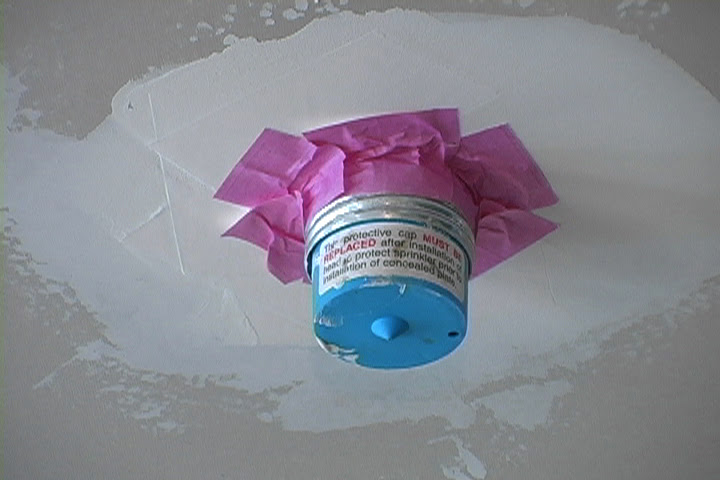
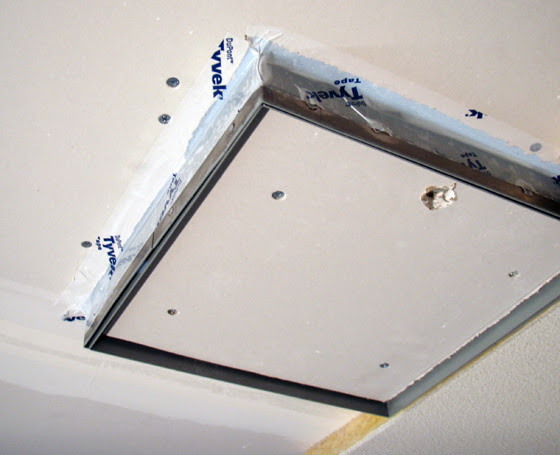
Step 1: Tape the Drywall
All drywall substrates must be taped at a Level 1 drywall finish on every existing joint. Level 1 is the minimum acceptable standard for this application, as its purpose is to seal the joint rather than to achieve a cosmetic finish. This step closes off the most common pathway for air and dust infiltration through the substrate plane.
Step 2: Seal All Penetrations
Every penetration in the substrate, including those for lighting, HVAC, sprinkler heads, conduit, and any other mechanical or electrical elements, must be tightly sealed. Use adhesive-backed tape or drywall cement and tape to create a complete, gap-free seal around each penetration. No air pathway should remain between the room side and the plenum side of the substrate at any penetration point.
Pay particular attention to penetrations that were cut after initial drywall installation, as these are the most frequently overlooked and the most likely source of future contamination.
Step 3: Inspect and Approve the Substrate
Before proceeding to panel installation, the substrate must be inspected to confirm that all joints are taped and all penetrations are fully sealed. This inspection step is not optional. Approving the substrate condition at this stage protects both the quality of the installation and the long-term performance of the system.
Once the substrate passes inspection, BASWA panels are ready to be installed.
What Happens When Sealing Is Inadequate
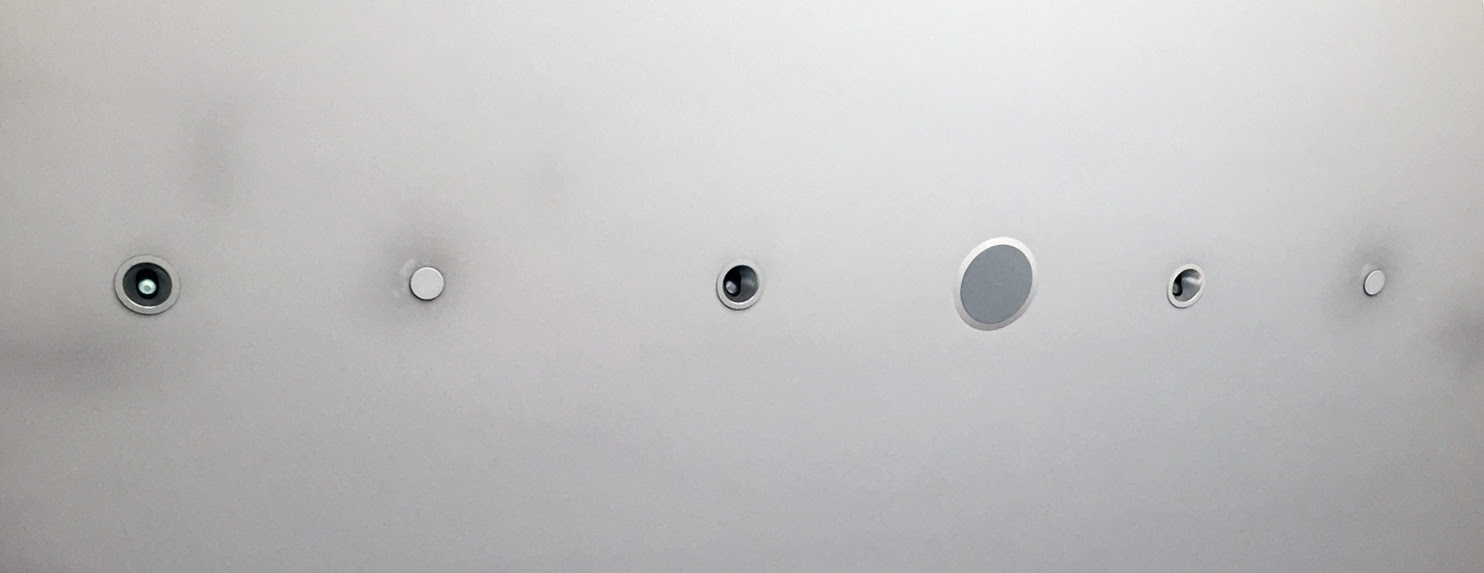
An improperly sealed substrate leads to dust and airborne particles accumulating on the surface of the system, particularly concentrated around unsealed penetrations. This discoloration is not a manufacturing defect. It is a direct result of installation conditions, and it can be difficult or impossible to correct once the finish system is in place. The cost of proper sealing at the outset is far lower than remediation after the fact.
Key Reminders
- Level 1 taping is the standard for all drywall joints, and it applies to the full substrate surface, not just visible or prominent seams.
- Adhesive-backed tape is often the faster option for penetration sealing; drywall cement and tape provides a more permanent bond where conditions allow.
- Document substrate approval with photos before panel installation begins. This protects all parties if questions arise later.
- Any substrate repairs, additions, or modifications made after initial approval must be re-inspected before installation proceeds.
Next Read Recommendation: BASWA Panel Installation page
The BASWA Team
The BASWA Team is the editorial voice of BASWA acoustic North America, a group of acoustical plaster experts and technical support professionals sharing accurate, well-cited insights on sound, well-being, and the built environment. We're here to make acoustics approachable and actionable for architects, contractors, and homeowners.

